Showing posts with label environmental issues. Show all posts

Wednesday, February 7, 2018

The Wild Steelheader, February 7, 2018

 February 7, 2018
  
 Let's face it. Steelhead conservation can be a little discouraging. Mostly not-so-good news about our favorite fish. But there are a few bright spots among the sea of challenges, Oregon's North Umpqua River being a prime example. What can we learn from this river system, where wild steelhead are flourishing?

On the North Umpqua, the wild steelhead population has remained incredibly stable since the 1940s. In fact, from 1975 to the present, there is actually a growth trend for this run-pretty uncommon in this day and age. Since the 1970s we have made reforms to timber harvest practices, hatchery management and spent millions of dollars on habitat restoration throughout the historic range of West Coast steelhead. So why isn't the North Umpqua trend more prevalent?

Most likely it is because we are, as a rule, not addressing all of the factors limiting steelhead population growth in every watershed. While the Umpqua River Basin has seen its share of habitat alteration and degradation, the North Umpqua is a rare example of a sub-watershed where staunch advocates had the foresight and dedication to protect its habitat and fish before they became degraded. Thus, the North Umpqua has never had a winter steelhead hatchery, has had special fishing regulations for decades, and the spawning habitat in its headwaters is in public lands that have been fairly well protected.

This is the North Umpqua's secret sauce: a complete suite of protections which have allowed its wild steelhead to thrive even as the climate has warmed dramatically and steelhead runs elsewhere are shadows of their former selves. There is no simple, magic formula for rebuilding and sustaining wild steelhead populations. We must take an honest look at angling practices, become strong advocates for policy decisions grounded in the most current science, and redouble our habitat restoration efforts to return the great sport fish of western North America to its former glory.


One of the biggest challenges in the long effort to rebuild wild steelhead populations in Puget Sound is poor survival of early stage steelhead in the marine environment. A major research effort to understand and address this problem is under way-but it needs a new infusion of funding. Wild Steelheaders United urges Washington anglers to contact their legislators this week and ask them to support additional funding for this crucial research.


Frank and Jeanne Moore have served as stewards of the legendary North Umpqua River for over 60 years. Proposed legislation from Senators Wyden and Merkley and Rep. DeFazio would pay tribute to the Moore's legacy by creating the Frank and Jeanne Moore Wild Steelhead Special Management Area. This designation would permanently protect a critical wild steelhead spawning and rearing tributary as well as pay homage to Frank's military service in WWII and this remarkable couple's lifetime of dedication to this special place and its incredible steelhead. Read the latest update here.


As part of the recovery plan for salmon and steelhead in the Deschutes River system, a major project is under way to improve fish passage for native salmon and steelhead. Trout Unlimited has been working for the past several years to help resolve issues related to the recovery effort and the Pelton-Round Butte fish passage project while conserving the diverse angling opportunities found on this famous river.


Are some steelhead more prone to biting than others? If so, it is possible that in our angling we are selecting against fish that are more likely to strike, and thus, be caught. While this question hasn't been studied in steelhead, there is research on other species which may provide insights for sea-run O. mykiss.


Monday, December 11, 2017

Ryan Zinke Can't Stop Lying About National Monuments
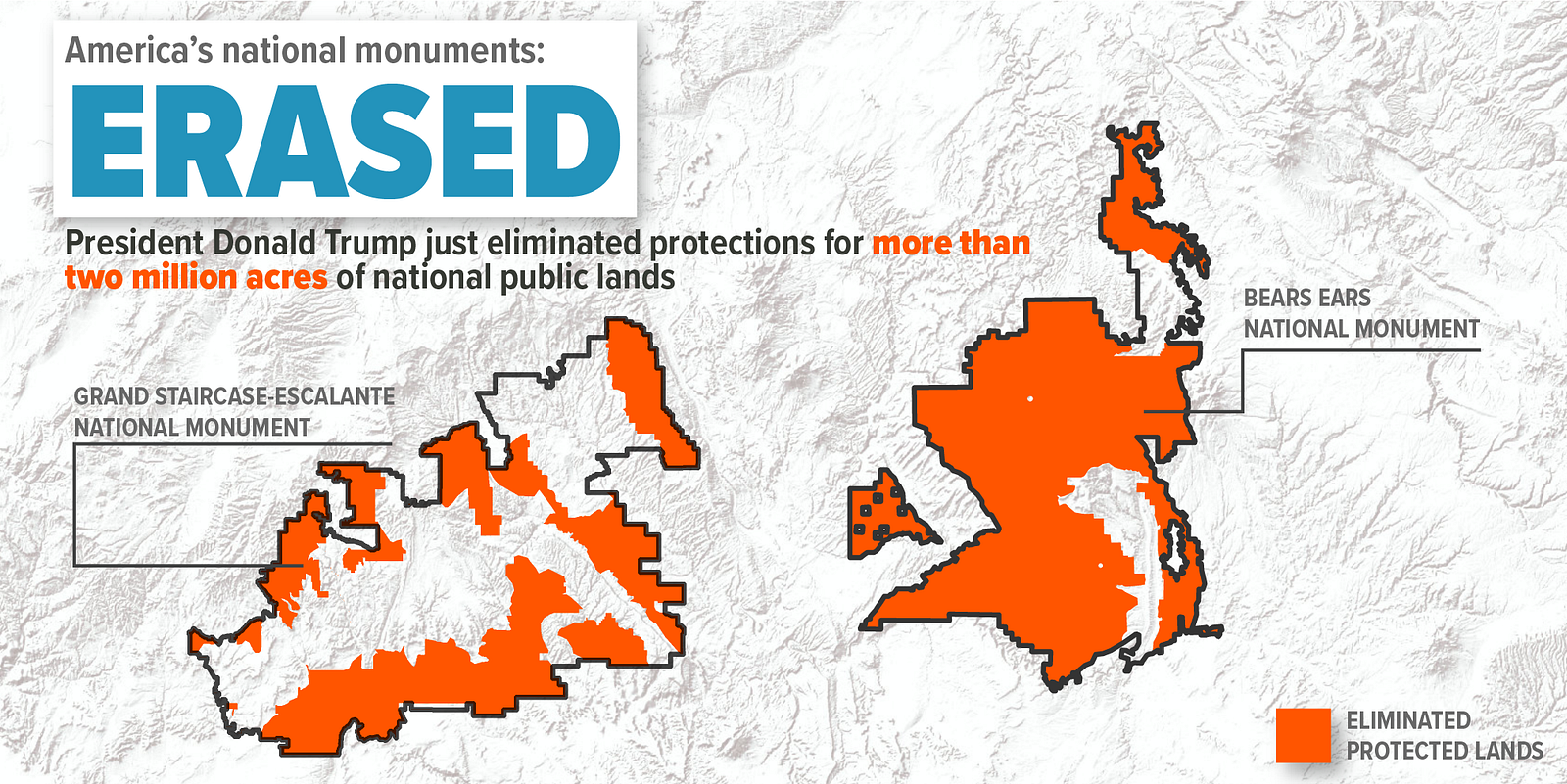
Westwise breaks down the alternative facts Zinke is using to justify the largest land grab in our nation's history. Read it HERE.


Saturday, November 4, 2017

The Wild Steelheader. October 31, 2017


 October 31, 2017
  
 Lots going on right now in Steelhead Country. Wild Steelheaders United has been working with guides and anglers to discuss and facilitate limited entry guide legislation for Washington's Olympic Peninsula (OP). WSU believes that better guide regulation is needed to keep wild steelhead encounter rates at levels that enable OP wild steelhead to thrive, as well as to prevent over-crowding and equitable treatment of guided and non-guided anglers. We collaborated with the Olympic Peninsula Guides Association (OPGA) to pass a budget proviso during the last state legislative session which directs the Washington Department of Fish and Wildlife to hold public meetings to gather more input from guides and anglers, and also requires WDFW to hold a meeting to explore the topic of guide legislation in the Klickitat River. Accordingly, the department will hold meetings in coming weeks in Forks, Lyle and other areas. For more information on these meetings, go here.
In this issue you'll find more wisdom from the inimitable Bill Herzog; an opportunity to help permanently protect the Methow River headwaters from large-scale mining operations; an update on changes in harvest regulations in Idaho and Washington; and our current thoughts on the Skagit River, one of the few bright spots for wild steelhead recovery among Puget Sound Rivers. Read on and, as always, let us know what you think.


Washington's Methow River is renowned for its scenic beauty, summer run steelhead, and extensive salmon restoration efforts. But the headwaters of this remarkable river system are threatened by proposed large-scale mining for copper. In response to this threat, legislation  has been introduced in Congress that would permanently protect the Methow Headwaters region from mining activities. While Congress considers this legislation, the U.S. Forest Service has proposed a "mineral withdrawal" for 20 years - essentially a moratorium on mining for that period. With the continuing decline of wild steelhead runs, we cannot afford to lose any more productive habitat to mining or other commercial development. Some places, like Alaska's Bristol Bay and the Methow River, are too important for their fish and fishing values to risk the ecological impacts often associated with big mining operations. Please join Wild Steelheaders United in signing on to a letter from the Methow Headwaters Campaign supporting the Methow mineral withdrawal -- today.


Ya Gotta Believe!


By Bill Herzog
 The world of steelhead conservation can be downright depressing. Maybe steelheaders are more prone to depression since they live for the dreary gloomy days of overcast skies of the Pacific Northwest. But without a doubt, the returns of late are not helping cheer anyone up. There is a bright side, however -- things can and probably will turn around. It will take some work on our part even if that just means controlling our appetite in some instances, but we need to remember that steelhead are damn resilient and if we do our part, I think we can count on the fish to do theirs.


The Case For Managing Skagit River Wild Steelhead 


By Nick Chambers
 Among Puget Sound rivers, none has experienced as much contention as the Skagit when it comes to steelhead. The Skagit closed in 2010 to late winter and spring steelhead angling, and has since been the focus of an intensive, multi-year effort to re-open this fishery. Meanwhile the debate over the future of a hatchery program has raged on. Wild steelhead numbers in the Skagit have improved enough to justify opening the river for a spring steelhead season again, but a required environmental review for this proposal has languished in the lap of the National Marine Fisheries Service. We continue to advocate for this review to be implemented, and are working through other channels, such as the Puget Sound Advisory Group, on how to structure fisheries in Puget Sound within the constraints of ESA listings, managing for wild versus hatchery fish, and other issues. Wild Steelheaders United recently published an article in The Osprey discussing the status of the Skagit, and why this river should be managed for wild steelhead. Check it out!


Arguing over crumbs in Idaho

By Michael Gibson
 Earlier this month Idaho reopened harvest of hatchery steelhead in the Clearwater, Salmon, and Snake Rivers. The increase in fishing pressure this is expected to bring raises concern given this year's low return of Columbia River wild steelhead to Idaho. These low returns are part of a bigger problem with survival trends of Snake River wild steelhead that needs to be addressed. Nonetheless, Idaho's decision to take a less conservative approach to this season's steelhead angling is disappointing.

Washington also re-opened portions of the Snake river to hatchery steelhead harvest. However, this action is not expected to have as much impact on wild steelhead as Idaho's decision.


Friday, August 18, 2017

The Wild Steelheader -- August 14, 2017

 August 14, 2017
  
 As we head into the final days of summer we're reminded of the importance of clean, cold water for wild steelhead, salmon and trout.

Intermittent and ephemeral streams - streams that may be dry for part of the year - provide important contributions of cold water for main-stem rivers. In fact, one study published recently in the journal Freshwater Science found cold-water patches (crucial refugia for steelhead) at 53 percent (36 of 68) of tributary confluences examined. Of these, 14 tributaries had no flowing surface water, and all the cold water provided by them was delivered via  subsurface flows.


The lesson? While water may not be flowing on the surface it doesn't mean that stream is not contributing critical amounts of cold water to steelhead habitat as we hit the hottest part of the summer.

 It's very important that we protect water quality in the sources of our wild steelhead rivers and streams. Tell the E.P.A. you support protecting small streams. Stand up for clean water today. 

Then, for some practical advice, stop by and learn why Bill Herzog tells anglers not to "reel up just yet."

All that and more in this week's WSU newsletter.
 
  
 If you haven't taken the time to comment on the proposed repeal of the 2015 Clean Water Rule, now is the time to do so.

Intermittent and ephemeral streams are vitally important to restoring wild steelhead populations. In California, for example, 64 percent of stream miles that comprise steelhead habitat are intermittent or ephemeral.

All steelhead anglers should be deeply concerned about the announcement that the U.S. Environmental Protection Agency is moving ahead with a process of rescinding and replacing the so-called Clean Water Rule of 2015. Please let them know how important clean water is for wild steelhead today.


"Don't reel up just yet."

We of the swung fly club have to deal with quite a few of our brethren these days on the river, especially the more popular waters, sections and times. If we aren't first through the run, then all we can hope for is a moving fish to come into swinging range or the rare one that was somehow spared multiple presentations. There is an adjustment in presentation and type of water we can target that just might make the difference between 1 and 0 on a steelheading trip.


In September 2016, Trout Unlimited partnered with the Bureau of Land Management, Bureau of Reclamation, and Idaho Department of Fish and Game to rehabilitate 0.8 miles of the mainstem Pahsimeroi River to improve salmon and steelhead habitat.
Over a century of irrigation, which dewatered the streams for much of the year, has left the upper Pahsimeroi and its tributaries just stringers of dying cottonwoods running across a broad sagebrush valley.


Summer is here. That means hot weather and hot water, two things that don't mix well with a cold-water fish like steelhead.
As a searing heat wave turns the Pacific Northwest into a blast furnace, we review a piece of research that looked at how adult steelhead alter their behavior and use micro-habitats to cope with warm weather and water.