Friday, May 19, 2017

Life Is Good

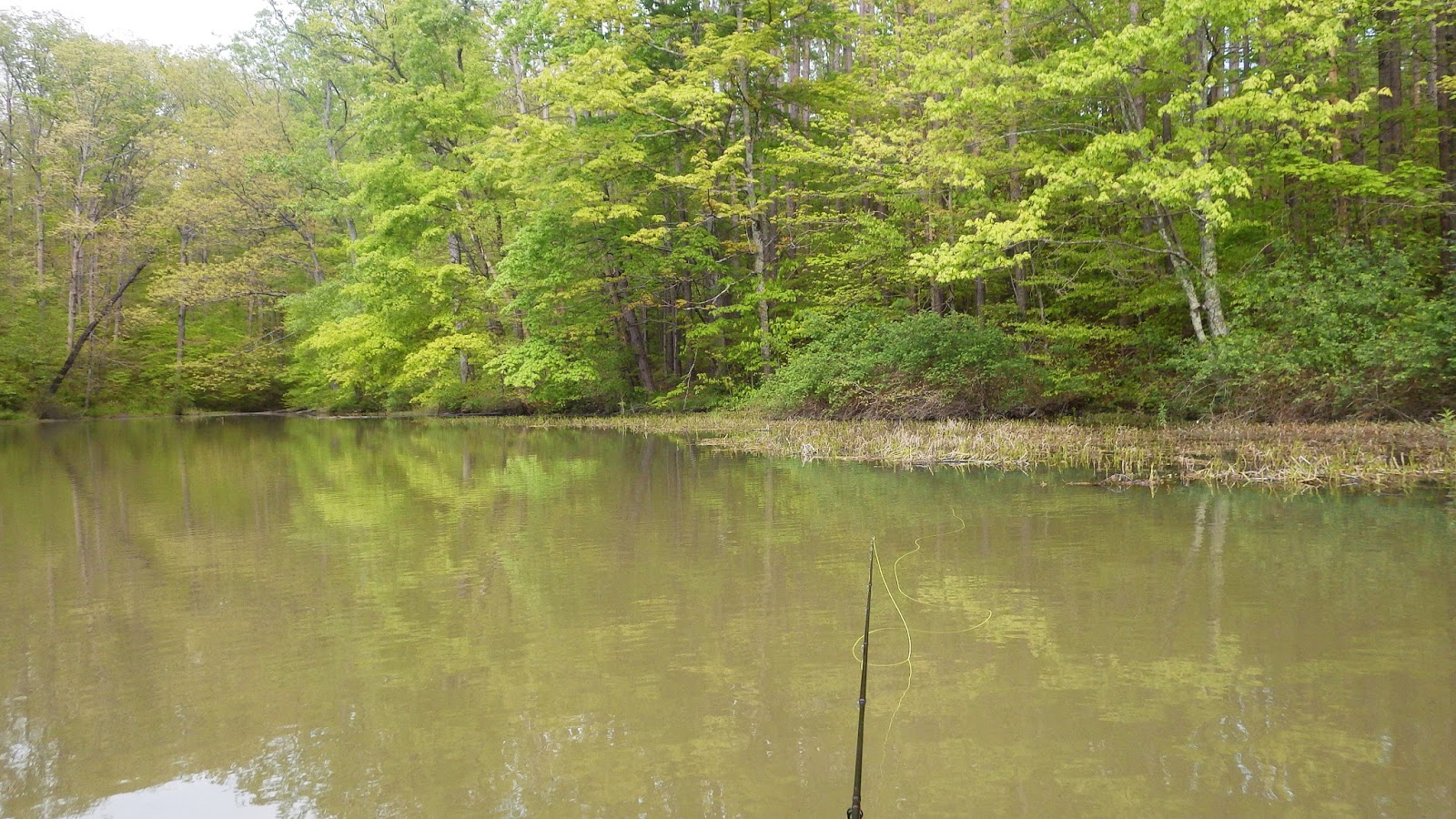
We've broken the 80 degrees barrier, and one of those hot days was my daughter Lidia's day off. So she joined her son and me at Griffey Lake for a little fishing.


I used to take her fishing when she was younger, and now I'm taking Sebastian, so it was special to be fishing with both of them.


Lidia is an accomplished angler, and quickly began outfishing us.


Sebastian was impressed--and, being just as competitive as his Mom, maybe a little peeved.


We moved over to let a young man launch his bass boat. Each time I've been there people are launching bass boats. So this time I spoke up.
     "Based on the number of bass boats I've seen there must be some decent fish in here."
     "Oh, yeah!" he answered.
     "Bass?" I asked dubiously.
     "Yes, good bass," he said, smiling that sympathetic smile we reserve for clueless people.

He explained that the lake had been drained and restocked four years ago, and that those bass were now coming into their own.
     "So.." still wary of being taken in, "...what do you mean by 'coming into their own'?"
     "My personal best--so far--is six pounds."

Hmmm. Had I heard right? I think I had. That's a nice bass for Indiana.

We had come in separate vehicles so I could drive on to Yellowwood after catching bluegill at Griffey. I changed my plans. Lidia and Sebastian went hiking--he still likes to get his hiking in--and I launched the tube right where I was. Time to get serious about this lake.


I kicked out and went under the bridge to the other side of the causeway and the main lake. I passed that young man busy working the weeds. I made a note of that.


There are lots of weeds along the causeway, and everywhere in and among them bluegill were active. You could get a nice mess pretty quickly, I think.


I also confirmed that there are crappie in there.


I kicked away from the causeway and headed for the west bank. Others were fishing there, so I chose a space between two boats.


It was beautiful there. There were swirls of midges under the overhanging trees, and bluegill were actively feeding. I was thinking bass, though. I began to work the shoreline with streamers.


There was plenty of structure to keep me busy.


And I found a couple bass, too. But my weights and measures were confused: I was looking for a six pound bass and found six inch bass instead.


But they were bass, and where there are small bass there must be big bass. I kept on fishing with that special edge you get when you know lightning could strike with the very next cast.


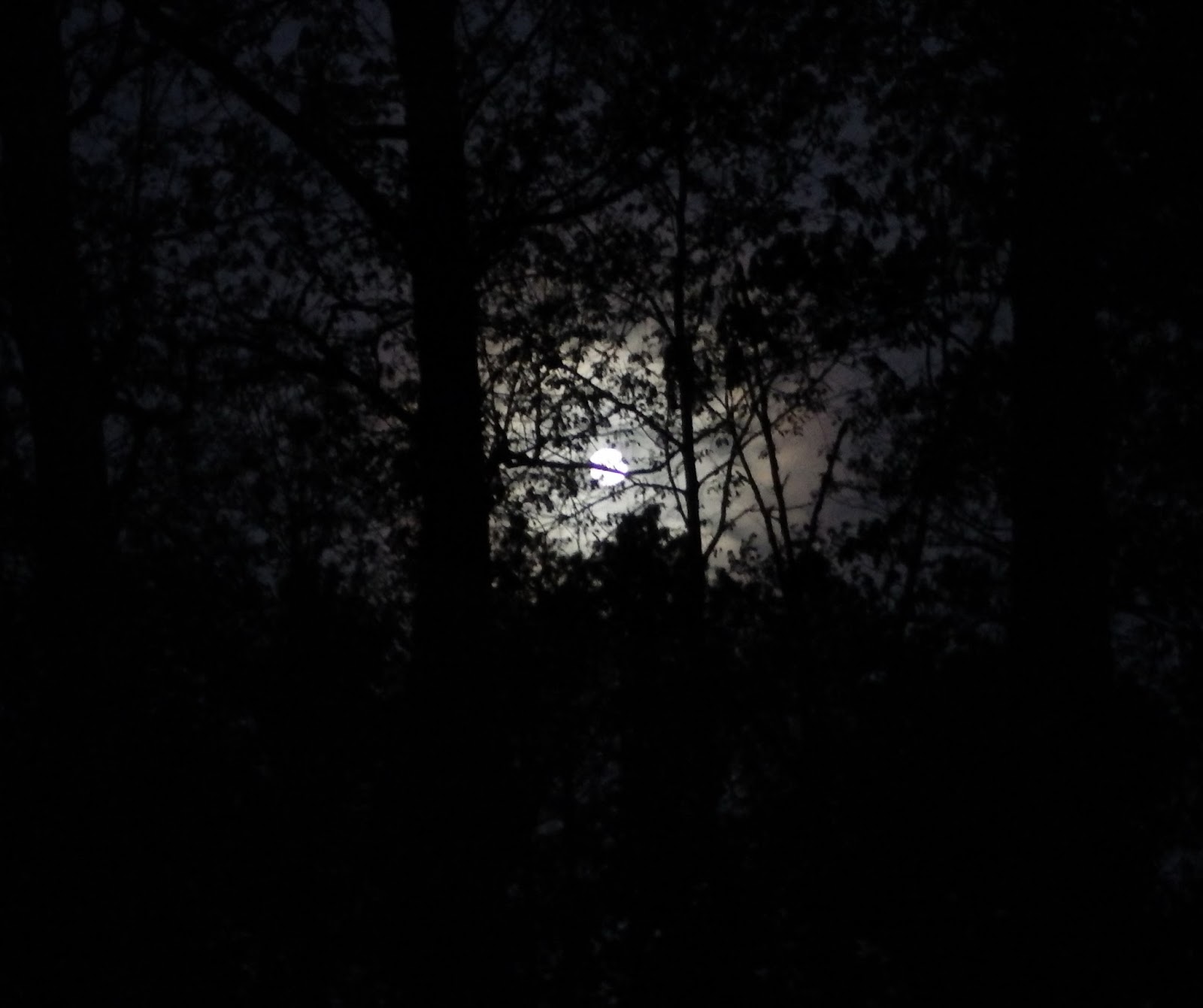
I turned around and noticed that the almost-full moon was rising. The rented boats had all made their way to the boathouse. The noise and car traffic on the causeway had abated. It was a beautiful and peaceful evening. I had enjoyed very much getting better acquainted with this little gem of a lake just five minutes from home.


By the time I had kicked back to the boat ramp it was dark except for the moonlight and the glow of the city on the clouds.


I was the last one to load up and leave. The parking lot was deserted for a change. I was happy. I had covered a lot of shoreline, but there is still so much more of this lake to explore and a long summer ahead in which to do it.

Life is good.
Wednesday, May 17, 2017

"An Iris Blessing" by Georgia Gudykunst

Iris germanica (Blue Iris)
Johan Christoph Dietzsch (1710 - 1769)


May your blooms be floriferous and in good form,
Distinctive, with good substance, flare, and airborne,
With standards and falls that endure, never torn.
May you display many buds and blooms sublime,
In graceful proportion on strong stalks each day,
Gently floating above the fans and the fray.
May you too reach toward the moon and stars,
Bloom after bloom, many seasons in the sun,
Enjoying your life, health, and each loved one,
Until your living days are artfully done.


S. C. O. F. No. 23

Image result for southern culture on the fly new issue

Dig in HERE.

The Lake Gave Back

The road that runs the length of Yellowwood Lake is closed. Fortunately the south end boat ramp is accessible. The first time I got there after the closing, though, everybody and their second cousin was there. It was the first break in the weather after a long spell of rain, so it made sense. But I had also forgotten my Sunday rule: Don't even try. I went home.

On Monday I went back and found it just fine. It's good to be retired. I let myself be drawn into the long closing of the day, and gave myself to the lake. As always, the lake gave back.


Saturday, May 13, 2017

The Wild Steelheader, 5-12-17

 May 12, 2017
  
 
Steelheaders are a passionate bunch, but our motivation doesn't end with all night coffee-fueled drives to favorite rivers. Over the past two years steelheaders have proven that we will also go big when it comes to conservation of our favorite species.
 
As the ranks of Wild Steelheaders United have steadily grown so has the reach and impact of our voice, and the results have been impressive. Hundreds of you sent letters urging the BLM to issue a mineral withdrawal for the Oregon headwaters of the fabled Smith River, which helped prevent a proposed large-scale nickel mine from being developed here. Over 400 of you sent letters opposing Seafood Watch's designation of Olympic Peninsula wild steelhead as a "good alternative" for consumers. Even on lower profile campaigns steelheaders have been turning out in strong numbers to make their voices heard. From water supply management issues to new angling regulations to defending public lands habitat up and down the West Coast, WSU adherents are proving that we can make a real difference for wild steelhead by getting informed, getting organized, and taking action.
 
These are uncertain times for both wild steelhead populations and steelhead fishing. Compromised habitat, dam operations, climate change, an administration emphasizing resource extraction over conservation, and in some areas over-fishing are a witches' brew of current threats to sea-run O. mykiss. Now is no time to take our foot off the accelerator of advocacy for wild steelhead. We must speak louder and more effectively than ever if we want our generation -- and those that follow -- to have abundant wild steelhead runs and fishing opportunity.
 

John Day River Steelhead


Seafood Watch has downgraded Hoh River steelhead to "Avoid" as a choice for consumers, after initially recommending them as a "good alternative." Hundreds of letters from steelhead anglers played a key role in bringing about this adjustment. Several other OP rivers remain on Seafood Watch's  "good alternative" list for steelhead so there is more work to be done here, but the downgraded rating of Hoh River steelhead is a positive step.
 
Also, a popular swath of public lands fishing and hunting grounds in Oregon just got a dramatic reprieve from being sold to private timber and tribal interests. Following an outpouring of protest from sportsmen's groups, including Wild Steelheaders United and Trout Unlimited, the State Land Board recently voted unanimously to keep the Elliott State Forest in public hands. This means continued public access and better protection for the Elliott's 150 miles of fish bearing streams. How the forest will be managed going forward is still unclear but one thing is now certain: thanks in large measure to the advocacy of sportsmen, public access to the Elliott will be preserved.

Elliott State Forest Steelhead fishing


Why should steelheaders care about national monuments, and how they are established? Because a lot of prime steelhead habitat, and angling opportunity, is protected in such designated areas along the West Coast and in Alaska. National monuments designations are usually made by the president using authority under the 1906 Antiquities Act, which has been used by virtually every president since its passage to protect the nation's outstanding historic and cultural resources as well as places and landscapes of "scientific interest." Vital wild steelhead fisheries are now within or adjacent to national monuments. Yet the Trump administration has ordered a "review" of dozens of monuments established over the past 20 years to determine if they should be downsized or even abolished. Read more here about this issue and join us to ensure these remarkable public lands resources -- and their wild steelhead values -- remain protected.


Fishing in the San Gabriel Mountains National Monument